- Melbourne, Australia
- (610) 413 812 477
- info@masterjiexu.com.au
FOLLOW US:


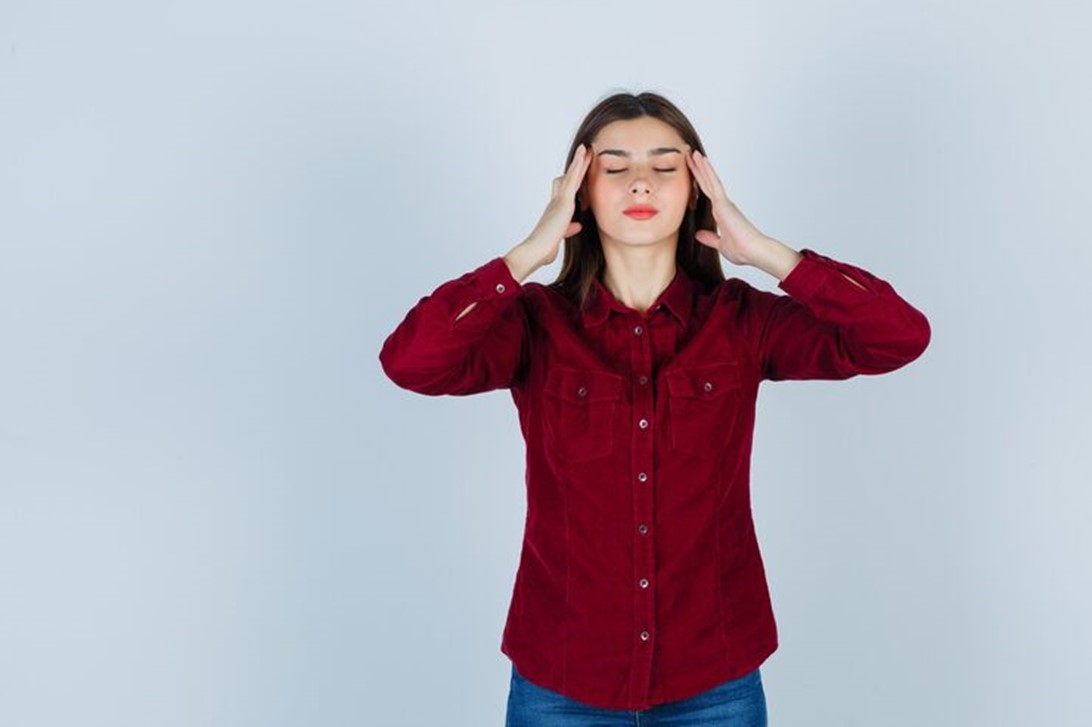
Many people experience headaches occasionally, but for some individuals headaches begin to occur more frequently or persist over longer periods of time. When headaches become recurring or ongoing, it can raise understandable concerns—especially if medical tests do not identify a clear cause.
Understanding why headaches can persist often requires looking beyond a single event or trigger. In many cases, ongoing headaches develop gradually through patterns that affect how the body functions over time.
Occasional Headaches vs Persistent Headaches
Occasional headaches are often linked to temporary factors such as dehydration, fatigue, or short-term stress. Once the body recovers or the trigger passes, the headache usually subsides.
Persistent headaches, however, may follow a different pattern. Rather than being caused by one isolated event, they can develop when multiple influences gradually place strain on the body’s systems over time.
These influences may include long-standing muscle tension, nervous system sensitivity, circulation patterns, posture habits, and prolonged stress.
When these factors remain present for extended periods, headaches may begin to occur more frequently or feel more difficult to resolve completely.
Structural Causes and Functional Patterns
In some situations, headaches can be linked to structural issues, such as injury, inflammation, or identifiable medical conditions. Medical imaging and clinical examinations are important tools for identifying these kinds of problems.
However, not all persistent headaches involve structural damage.
Sometimes chronic tension headaches are related to functional patterns within the body. Functional patterns refer to how the body’s systems are working together rather than whether there is a visible injury.
For example, long-term muscle tension around the neck and shoulders, changes in circulation, or ongoing nervous system stress can influence how headache sensations are experienced. These patterns may develop gradually and can continue even when scans or medical tests appear normal.
Why Headaches May Continue Even When Tests Are Normal

Medical tests are designed primarily to detect structural changes in the body, such as tissue damage, inflammation, or other clear abnormalities.
However, some types of persistent headaches arise from functional changes in how the nervous system, muscles, and circulation interact. These functional patterns may not always appear on imaging tests.
As a result, it is possible for someone to experience real and ongoing headache discomfort even when examinations do not reveal a specific structural cause.
This can understandably feel confusing, but it reflects the complexity of how the body’s systems operate together.
The Role of Long-Term Strain

The body continuously adapts to physical, mental, and environmental demands. When strain remains present for long periods—such as sustained tension, demanding work patterns, disrupted sleep, or prolonged stress—the nervous system and surrounding muscles may remain in a heightened state of activity.
Over time, this ongoing strain can contribute to recurring headaches or pressure sensations in the head, which is why some people explore holistic migraine therapy.
Because these patterns develop gradually, headaches may persist even after the original triggers have passed.
Looking at the Whole System
When headaches become frequent or ongoing, it may be helpful to consider the body as a connected system rather than focusing only on the head itself.
The nervous system, circulation, breathing patterns, muscle tension, and daily stress levels all interact with one another. Changes in one area can influence how symptoms are experienced elsewhere.
Understanding these broader patterns can provide additional perspective on why headaches sometimes continue despite normal test results.
Learn More
Persistent headaches can be challenging, particularly when the cause is not immediately clear. To explore this topic further, visit our main guide on persistent headaches, where we discuss common patterns and broader influences that may contribute to recurring head discomfort.